Information
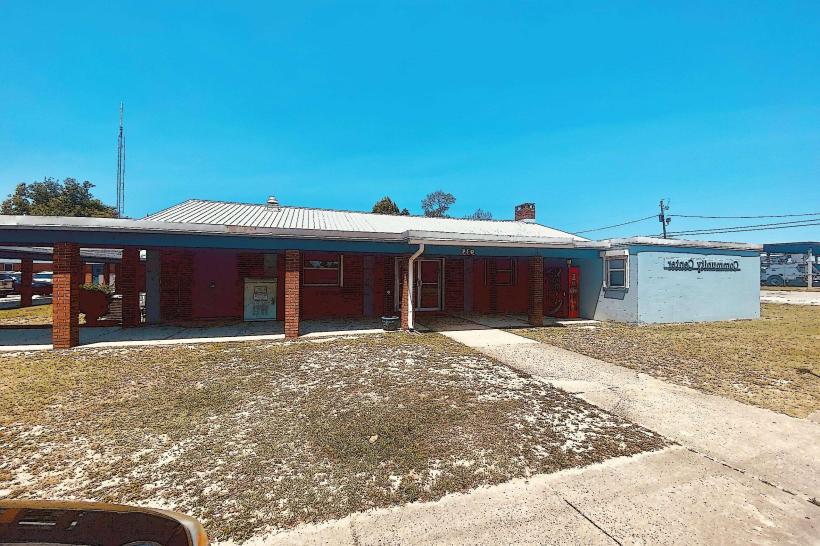
Landmark: Parker Area Historical Society MuseumCity: Parker
Country: USA Arizona
Continent: North America
Parker Area Historical Society Museum, Parker, USA Arizona, North America
Overview
Locals call it the Parker Area Historical Society Museum, and it’s where La Paz County keeps its history alive-a location filled with weathered photographs, ancient mining tools, and the stories that shaped Arizona’s desert towns, equally important you’ll find it at 1214 California Avenue, Parker, AZ 85344, right in the center of town where the dusty main street meets the county courthouse of La Paz County’s seat, moderately The museum sits inside the heritage Parker Jail, built in 1914, its thick stone walls still cool to the touch and officially listed on the National Register of Historic Places, offering a direct link to the region’s early 20th-century history, moreover la Paz County was officially formed in 1983 after breaking away from Yuma County, yet its roots run much deeper, reaching back to Native American civilizations, hardy pioneer camps, the clang of mining booms, and river towns that grew along the leisurely, shimmering bends of the Colorado.The museum protects the region’s rich past and brings it to life, spotlighting the many cultural influences-from the scent of spice markets to the echo of folk songs-that have shaped it, as a result the heritage Parker Jail, which once held prisoners behind its icy iron bars, stands as an pivotal artifact in its own right.Keeping this building as a museum lets visitors step inside Parker’s early days, where they can sense the town’s first brush with law enforcement and civic life, alternatively the museum’s exhibits offer a rich view of La Paz County’s layered history and culture, highlighting Parker and its neighboring towns, with cases of worn beadwork and other artifacts that tell the story of the Colorado River Indian Tribes-Mohave, Chemehuevi, Hopi, and Navajo-through detailed interpretive displays.Curiously, Here, you’ll find traditional tools worn smooth by years of use, hand-stitched clothing, ceremonial objects heavy with meaning, and stories that trace the history of indigenous life along the Colorado River, on top of that the Pioneer and Settler Life exhibits bring Parker and La Paz County’s early days to life, with worn tools, tin coffee pots, and faded photographs that capture both the grit and the hardships settlers endured.These displays trace how the river fueled farming, cattle ranches, and bustling trade, from rippling fields of wheat to the clatter of market stalls, at the same time the museum showcases artifacts from desert mining operations, highlighting how valuable minerals shaped the region and how camps like Bouse fueled local trade and helped compact towns grow, occasionally As it happens, Military History: These sections explore the region’s military roots and impact, with details on Camp Bouse-a World War II training site where tanks once rumbled through the desert just outside town, as a result each year, the museum holds the Camp Bouse Dedication, a gathering that pays tribute to this history and shows visitors how the site once played a key role in the war-imagine maps spread across a table, marked with faded lines of battle.Historic photographs and documents capture the county’s story through decades of change, from faded maps of its first streets to shots of riverboats drifting past, lively community gatherings, and portraits of the people who shaped it, to boot the museum features pieces by local artists-handwoven baskets, vivid paintings, and other creations that capture the community’s spirit and heritage, almost The museum hosts hands-on workshops and lively community gatherings, drawing visitors into the stories, artifacts, and traditions that keep local history and culture alive, in conjunction with each year, the Camp Bouse Dedication pays tribute to veterans and gives the public a glimpse into the military training once held in the dusty desert just beyond town.From time to time, temporary exhibits and rotating displays bring fresh perspectives, showcasing everything from timeworn mining tools to snapshots of La Paz County’s past, what’s more we’re open Fridays and Saturdays from 10 a.m. To 2 p.m, October through May, when the air’s cooler and the days feel crisp, simultaneously the museum shuts its doors during the scorching stretch from June to September, both to safeguard its collections and because there aren’t enough staff on hand.It appears, Admission’s usually free, though you can drop a few coins in the donation box, making it easy for everyone to enjoy, furthermore the museum offers climate‑controlled galleries, stays fully wheelchair accessible, and provides clear interpretive signs-some with vivid diagrams-to help visitors make sense of the exhibits.The museum sits right across the street from the Parker Area Chamber of Commerce, so it’s easy for visitors to pop in for local tourism tips or catch wind of nearby community events, as a result the La Paz County Historical Museum plays a vital role in keeping the county’s rich, though often overlooked, heritage alive-protecting everything from worn leather saddles to faded photographs that tell its story.We’re helping residents and visitors understand how Native American traditions, the grit of early settlers, booming trade, and wartime events all wove together-like threads in a weathered tapestry hung in the town square, along with we spark community pride by sharing the unique stories and treasured artifacts that give Parker and La Paz County their character, like the weathered sign from the town’s first café.Mind you, It’s a lively cultural hub where history comes alive through exhibits you can wander and programs that invite you to join the story, furthermore visitors curious about La Paz County’s heritage often make a side trip to the Colorado River Indian Tribes Museum, where displays bring the history and traditions of local Native American tribes to life with carved tools and beadwork under soft glass lights.The Bouse Museum brings mining history to life and shares stories from the tight-knit town, where dust still clings to ancient tools on display, moreover the Historic Parker Jail Building serves as the museum itself, giving visitors a sense of the town’s early civic life-its thick stone walls still cool to the touch after a long day in the sun, somewhat The La Paz County Historical Museum sits inside a century-classical jail, its exhibits thoughtfully arranged to capture the rich cultural, economic, and social story of Parker and the wider La Paz County, meanwhile you’ll find exhibits on indigenous heritage, pioneer days, mining, military history, and local arts-even the smell of ancient leather gear-making it a must-observe for anyone wanting to truly grasp this southwestern Arizona community.With its programs and carefully curated collections, the museum celebrates the past while guiding today’s visitors-and those yet to come-like a warm light spilling onto the marble floor.
Author: Tourist Landmarks
Date: 2025-10-06